
Understanding Myrtle Beach’s Unique Climate Challenges
Living in Myrtle Beach means enjoying beautiful coastlines – but also facing some of the most demanding weather conditions in the Southeast. With 90°F+ summers, hurricane season threats, and salt air corrosion, your home needs specialized protection.
At HQ Solution LLC, we’ve helped thousands of Grand Strand homeowners weather-proof their homes against:
✔ Hurricane humidity and flood damage
✔ Salt air corrosion that damages HVAC systems
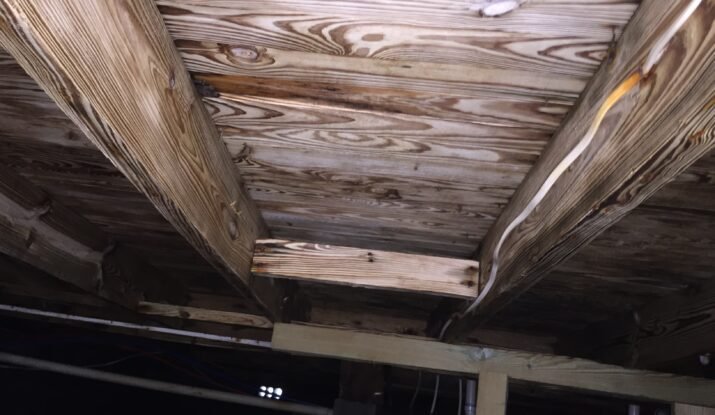
✔ Summer mold blooms in attics and crawl spaces
✔ Winter moisture traps that cause structural damage
This comprehensive guide will help you protect your home through all four seasons – with expert tips you won’t find anywhere else.
📅 Seasonal Protection Guide for Myrtle Beach Homes
Spring (March-May): Hurricane Preparedness Season
Weather Threats: Increasing humidity, early storms, pollen influx
Essential Tasks:
- HVAC System Check
- Replace filters (pollen season requires MERV 8-11)
- Clean condenser coils from salt buildup
- Schedule professional duct inspection
- Mold Prevention
- Check attic for winter moisture damage
- Inspect crawl space ventilation
- Test indoor humidity levels (ideal: 30-50%)
- Storm Prep
- Clear dryer vent to prevent flooding backup
- Ensure proper drainage away from foundation
- Trim trees near ductwork vents
Pro Tip: Spring is the best time for air duct cleaning before summer AC season begins!
Summer (June-August): Peak Humidity Season
Weather Threats: 90%+ humidity, hurricane risks, extreme heat
Critical Protections:
- Mold Defense System
- Run bathroom fans 30+ minutes after showers
- Use dehumidifiers in laundry rooms and basements
- Monitor attic temperatures (shouldn’t exceed 130°F)
- AC Optimization
- Change filters monthly (sand and pollen clog faster)
- Keep condenser unit clear of vegetation
- Consider UV light installation to prevent coil mold
- Hurricane Readiness
- Know your emergency mold response plan
- Clear all exterior vents of debris
- Document pre-storm conditions for insurance
Did You Know? Summer humidity causes ductwork to accumulate 3x more debris than winter months!
Fall (September-November): Storm Recovery Season
Weather Threats: Hurricane aftermath, temperature swings, falling leaves
Recovery Checklist:
- Post-Storm Inspection
- Check attic and crawl spaces for water intrusion
- Inspect dryer vent for flood damage
- Test indoor air quality after window closures
- System Maintenance
- Schedule duct cleaning if windows were closed during storms
- Prepare HVAC for heating season
- Clean gutters to prevent ice dam formation
- Allergy Control
- Replace filters after peak pollen periods
- Consider whole-home air purification
- Dust and vacuum frequently as seasons change
Winter (December-February): Moisture Control Season
Weather Threats: Indoor humidity spikes, temperature fluctuations, rare freezes
Essential Protections:
- Moisture Management
- Monitor indoor humidity (prevent condensation)
- Ensure proper attic ventilation
- Check for pipe leakage in crawl spaces
- Heating System Care
- Clean ducts before heating season begins
- Inspect heat exchanger for corrosion
- Test carbon monoxide detectors
- Freeze Preparation
- Insulate exposed ductwork
- Protect exterior HVAC components
- Know how to shut off water main
🚨 Emergency Weather Response Guide
Hurricane Preparedness Checklist
- 72 Hours Before:
- Document home condition with photos
- Clear all exterior vents and drains
- Set AC to 78°F to reduce strain
- During Storm:
- Keep windows closed but know emergency exits
- Avoid running HVAC during power fluctuations
- Have emergency numbers handy
- After Storm:
- Inspect for water damage within 24 hours
- Look for visible mold growth (appears in 48 hours)
- Schedule professional air quality testing if flooded
Emergency Service: HQ Solution offers 24/7 storm response for flood-related mold emergencies.
❓ Top 20 Myrtle Beach Weather FAQs
Hurricane & Storm Questions
- Q: How quickly can mold grow after flooding?
A: Within 24-48 hours in our climate. Immediate response is critical. - Q: Does homeowners insurance cover hurricane mold damage?
A: Only if you can prove it resulted from sudden storm damage, not neglect. - Q: Should I run my AC during a hurricane?
A: Only if you have a whole-house surge protector. Power fluctuations can damage systems.
Humidity & Mold Questions
- Q: What’s the ideal indoor humidity level for coastal homes?
A: 30-50%. Above 60% invites mold growth. - Q: Why does my house feel mustier after vacation?
A: Stagnant air + humidity = mold party. Run fans on timers when away. - Q: Are humidity sensors worth installing?
A: Absolutely! Smart sensors can alert you to dangerous levels before damage occurs.
HVAC & Ductwork Questions
- Q: How often should coastal homes clean air ducts?
A: Every 2-3 years (vs. 5+ inland) due to salt and sand accumulation. - Q: Can salt air damage my HVAC system?
A: Yes! It corrodes coils and components 3x faster than inland environments. - Q: Should I cover my outdoor AC unit in winter?
A: No! This traps moisture and causes corrosion. Use a breathable cover if necessary.
General Maintenance Questions
- Q: What’s the most overlooked mold hotspot in coastal homes?
A: Behind walls where AC condensation lines leak slowly over time. - Q: How can I tell if my dryer vent needs cleaning?
A: Clothes take 2+ cycles to dry, laundry room feels hotter than usual, or you see lint buildup outside. - Q: Are UV lights effective for mold prevention?
A: Yes, particularly on AC coils where moisture constantly accumulates.
📞 HQ Solution Protection Services
We don’t just repair damage – we prevent it. Our specialized services include:
Weather-Proofing Solutions:
- Pre-Storm HVAC Inspections
- Post-Flood Mold Remediation
- Humidity Control Systems
- Salt Air Corrosion Protection
- Emergency Weather Response
Maintenance Programs:
- Seasonal Duct Cleaning
- Annual Mold Prevention Plans
- Dryer Vent Safety Programs
- Whole-Home Air Quality Monitoring
🌴 Don’t Let Myrtle Beach Weather Damage Your Home!
Your home is your biggest investment – protect it with expert care designed for our unique coastal climate.
Schedule Your Seasonal Weather-Proofing Assessment Today!
📞 Call (843) 999-4608
🌐 Book Online: hqsmyrtlebeach.com/weather-prep
Serving All of Horry County: Myrtle Beach, Surfside Beach, Murrells Inlet, North Myrtle Beach, Carolina Forest, Conway, and surrounding areas.